
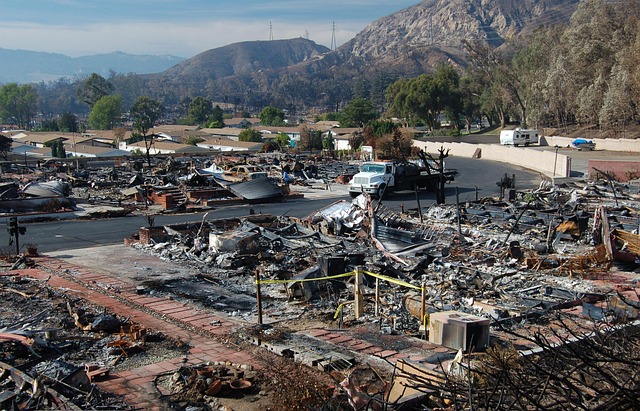
Smoke Damage Restoration Services Denver specialize in eliminating persistent smoke odors and stains from fires using advanced techniques like air filtration, odor neutralization, thermal remediation, and sewage cleanup. Initial assessment with moisture analysis, air quality testing, and infrared cameras identifies hidden contaminants. DIY methods for light odors include baking soda, charcoal, vinegar, and essential oils; severe cases require professional intervention. Advanced tools like ozone, UV light, air scrubbers, and oxidizers break down organic compounds and sanitize surfaces. Regular maintenance including deep cleaning, HEPA filters, and material replacement prevent future smoke damage.
Smoke odor in upholstery can permeate homes, creating an unpleasant environment. This common issue requires professional intervention for effective elimination, especially in dense urban areas like Denver. Smoke damage restoration services Denver professionals offer are designed to tackle these persistent scents, using advanced techniques to restore fresh air and comfort to affected spaces. This guide provides practical tips, backed by industry expertise, to help homeowners and renters navigate the process of eliminating smoke odor from upholstery, ensuring a healthier living environment.
- Understanding Smoke Odor: Causes and Impact in Denver
- Initial Assessment: Identifying Smoke Damage in Upholstery
- Natural Deodorization: Effective Home Remedies for Light Cases
- Professional Restoration: When Odors Persist in Denver Homes
- Advanced Techniques: Using Ozone and UV Light for Deep Cleaning
- Preventing Future Odor: Maintenance Tips from Smoke Damage Restoration Services Denver
Understanding Smoke Odor: Causes and Impact in Denver

Smoke odor, a potent and persistent lingering trace of smoke damage, is more than just an annoyance; it can deeply impact the ambiance and comfort of any space. In Denver, where homes often face risks from wildfires and cooking incidents, understanding smoke odor and its causes is paramount for effective smoke damage restoration. The air we breathe contains various volatile organic compounds (VOCs) emitted by burning materials, including synthetic fabrics, wood, plastics, and even certain foods. These compounds not only fill the air but also adhere to surfaces, making their removal challenging.
When a fire or smoke event occurs in Denver homes, beyond the visible damage, these VOCs can penetrate fabric, upholstery, walls, and ceilings, causing deep-seated odor issues that may persist for months unless addressed properly. For instance, a study by the Environmental Protection Agency (EPA) found that even after cleaning, up to 70% of smoke odor could remain in fabrics and structures without professional intervention. This highlights the need for specialized services like Smoke Damage Restoration Denver offers, ensuring homes are thoroughly decontaminated and restored to their pre-incident states.
Restoring homes after fire and smoke is a delicate process that requires expertise. Denver residents often turn to professional smoke damage restoration companies that employ advanced techniques such as air filtration, odor neutralization, and thermal remediation. These services go beyond the scope of typical cleaning, addressing not just visible smoke stains but also subtle odors carried by porous materials. Moreover, in cases of water damage from extinguishing efforts or flooded basements in Denver’s unpredictable climate, professional restoration services integrate sewage cleanup Denver specialists to mitigate additional risks and ensure a complete recovery for homeowners.
Initial Assessment: Identifying Smoke Damage in Upholstery

When addressing smoke odor issues in Denver, a thorough initial assessment is crucial to understanding the extent of smoke damage within upholstery materials. This step is an essential foundation for effective smoke damage restoration services Denver residents can rely on. Advanced Restoration Colorado professionals emphasize the importance of careful inspection during fast fire and smoke damage recovery processes.
Upon arrival at your Denver property, our technicians will conduct a meticulous evaluation, employing advanced tools to detect residual smoke particles embedded in fabrics, padding, and other upholstery components. This process involves more than simply identifying visible ash or charring—it requires sophisticated techniques such as moisture analysis and air quality testing to pinpoint hidden contaminants. For example, using portable infrared cameras can reveal areas of heat damage that aren’t immediately apparent to the naked eye. Data from these assessments guides our tailored restoration strategies, ensuring every inch of affected upholstery is treated appropriately.
Consider a scenario where a kitchen fire left behind not only discolored walls but also pervasive smoke odor in surrounding furniture. Our initial assessment would uncover the presence of acrid compounds known as volatile organic compounds (VOCs), which can linger in fabrics for extended periods. Armed with this knowledge, our experts would employ specialized cleaning solutions and advanced extraction methods to neutralize these compounds effectively. Restoring peace of mind after smoke is not merely about eliminating odors; it’s about returning your living spaces to a safe, comfortable state that fosters well-being.
Natural Deodorization: Effective Home Remedies for Light Cases

When dealing with smoke odor in your upholstery, natural deodorization techniques can be highly effective for light cases. Before considering more intensive Smoke Damage Restoration Services Denver, explore these simple yet powerful home remedies. Baking soda and charcoal are staple ingredients due to their ability to absorb odors. Sprinkle a generous amount of baking soda onto the affected area, let it sit for 24 hours, then vacuum thoroughly. For added absorption power, activate charcoal by heating it in an oven (following safety guidelines) before dispersing it across the upholstery.
Another natural deodorizer is white vinegar mixed with water in equal parts. Spray this solution onto the fabric and let it air dry. The acetic acid in vinegar neutralizes odors naturally. For stubborn smells, consider essential oils like lemon or lavender. Adding a few drops to your cleaning solution not only enhances freshness but also adds a pleasant aroma, restoring peace of mind after smoke.
While these home remedies can be highly effective for minor smoke damage, understanding the scope of the issue is crucial. The cost of smoke damage repair varies widely depending on the extent of the damage. According to recent data, average repairs in Denver range from $500 to $3000, with more severe cases requiring professional intervention. Fire and smoke damage cleanup tips include documenting the damage, ensuring safety, and immediately removing valuables. However, for extensive odor issues or structural damage, engaging specialized services is advisable.
Professional Restoration: When Odors Persist in Denver Homes

When smoke damage lingers in Denver homes, it’s crucial to turn to professional restoration services Denver trusts for effective solutions. While DIY methods may offer temporary relief, persistent odors often require specialized knowledge and equipment to eliminate completely. The process involves more than just removing visible residue; it entails addressing molecular remnants that can linger long after the fire is extinguished.
Smoke damage restoration services Denver specializes in employ safe smoke removal techniques tailored to different fabric types, ensuring minimal disruption to your home’s interior. These professionals are equipped with advanced tools and chemicals designed for deodorization without causing further harm or leaving behind harmful residues. For instance, they might use air scrubbers that capture microscopic particles and odors, coupled with powerful oxidizers that break down volatile organic compounds (VOCs) responsible for persistent smoke smells.
Moreover, when addressing smoke damage in Denver homes, restoration services often monitor for mold growth, another common consequence of water-damaged areas affected by fire. Mold removal Denver is a critical component of comprehensive restoration, as it not only addresses the smell but also prevents potential health risks associated with mold spores. A professional approach ensures that all sources of odor and potential contaminants are identified and eliminated, restoring your home to its pre-fire condition safely and effectively.
Advanced Techniques: Using Ozone and UV Light for Deep Cleaning
When it comes to eliminating smoke odor from upholstery, Denver residents often turn to advanced techniques for a deep clean. Among these methods, ozone and UV light stand out as powerful tools in the arsenal of expert advice on smoke damage. Smoke Damage Restoration Services Denver professionals employ these innovative approaches not just to remove lingering scents but to address the root causes of smoke damage effectively.
Ozone, a strong oxidizer, is known for its ability to break down organic compounds, including those responsible for unwanted odors. By infusing ozone into affected spaces, Denver’s top fire damage restoration experts can neutralize smoke and prevent its persistence in fabrics and cushions. UV light, on the other hand, sanitizes surfaces by deactivating bacteria, viruses, and mold spores that often accompany smoke residue. Combining these techniques ensures a thorough cleaning that goes beyond mere scent removal.
Consider a scenario where a kitchen fire leaves extensive smoke damage throughout a home. Traditional cleaning methods might mask odors temporarily, but ozone treatment can penetrate porous materials to eliminate traces of acrid smoke. UV light subsequently sanitizes the area, minimizing the risk of further contamination and ensuring a healthier environment for residents. This dual approach is particularly valuable in preventing the development of mold, a common aftereffect of fire damage that can compromise indoor air quality. By adopting these advanced techniques, Denver homeowners can effectively protect their belongings from smoke damage and ensure a faster, more complete recovery process.
Preventing Future Odor: Maintenance Tips from Smoke Damage Restoration Services Denver

Preventing future smoke odor issues is a crucial aspect of dealing with fire and smoke damage, and Denver’s top smoke damage restoration services play a vital role in this process. After the initial remediation, these experts offer tailored maintenance tips to ensure your upholstery and home remain free from unwanted smells. Restoring textiles after smoke damage requires specialized knowledge; many fabrics can be delicately treated to remove traces of smoke taint. The process involves thorough cleaning and sometimes steam treatment to open up the fibers and eliminate odors naturally.
Local Denver fire damage experts emphasize proactive measures to prevent recurrences. Regular deep cleaning, particularly for high-risk areas, is key. High-efficiency particulate air (HEPA) filters in vacuum cleaners can capture microscopic smoke particles that regular filters might miss. Additionally, using natural odor absorbers like baking soda or essential oils can help maintain fresh indoor air quality. It’s worth noting that while these measures are effective, professional fire & smoke remediation services near me remain indispensable for extensive damage or complex odors.
Smoke Damage Restoration Services Denver specialists also advise on material replacement if the smoke damage is severe. Certain fabrics may not recover fully from odor absorption, and replacing them can be a practical solution to prevent persistent smells. Regular maintenance checks are another recommendation, allowing early detection of potential issues and ensuring prompt action. By combining these strategies with professional guidance, homeowners in Denver can effectively guard against future smoke odor problems and restore their living spaces to a safe, pleasant environment.
In addressing smoke damage restoration in Denver, this article has provided a comprehensive guide to eliminating persistent odors from upholstery. Key insights include understanding the causes of smoke odor, performing initial assessments for damage, and employing both natural deodorization techniques like home remedies and professional restoration services when necessary. Advanced methods such as ozone and UV light treatments are recommended for deep cleaning. Additionally, preventing future odor issues through proper maintenance is highlighted, emphasizing the importance of regular care from Smoke Damage Restoration Services Denver to preserve homes’ indoor air quality. Readers now possess practical knowledge to tackle smoke damage, ensuring their Denver residences remain fresh and comfortable.